


TAPAS: The Mini Jungle – A Living Testament to Ecological Restoration and Harmony
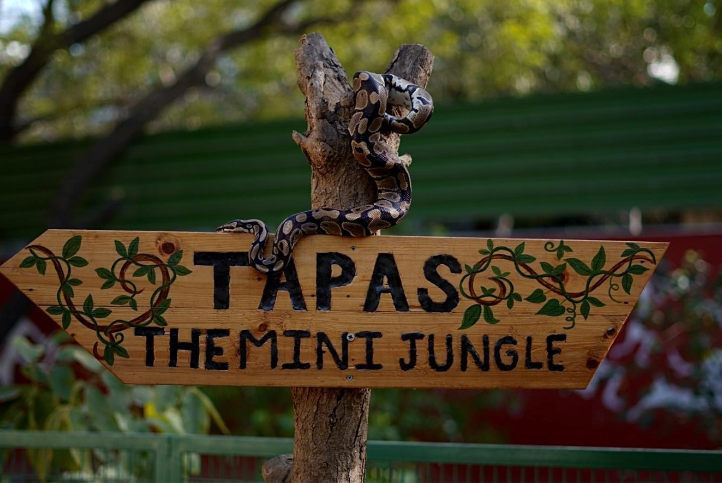
Amid the busy academic environment of Ramanujan College lies a remarkable green sanctuary—Tapas, our very own mini jungle. More than just a natural space, Tapas is a living ecosystem that reflects the College’s commitment to sustainability, ecological awareness, and experiential learning. Rooted in the philosophy of “Tapasya”—a journey of dedication, discipline, and self-discovery—Tapas symbolizes harmony between humanity and nature, offering a serene refuge where one can experience peace, reflection, and inspiration.
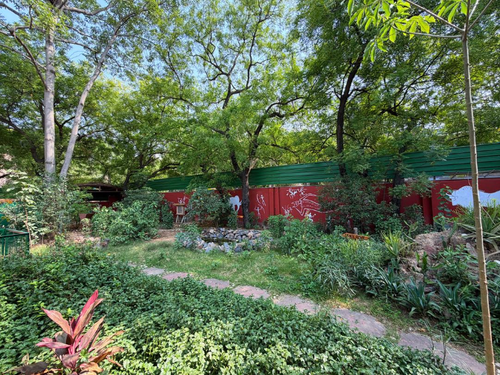
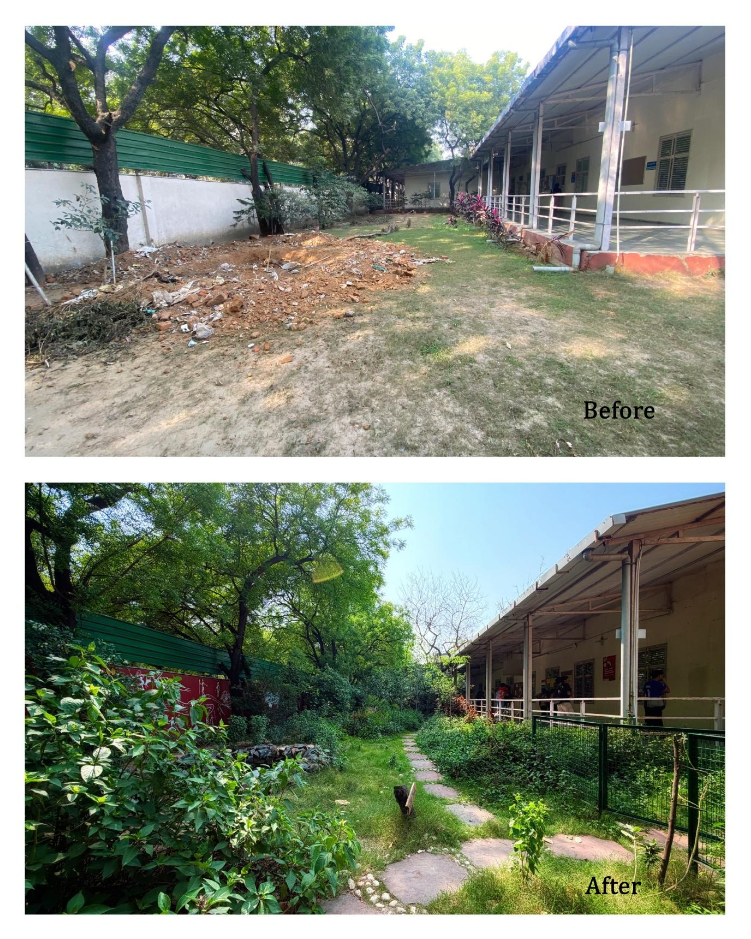
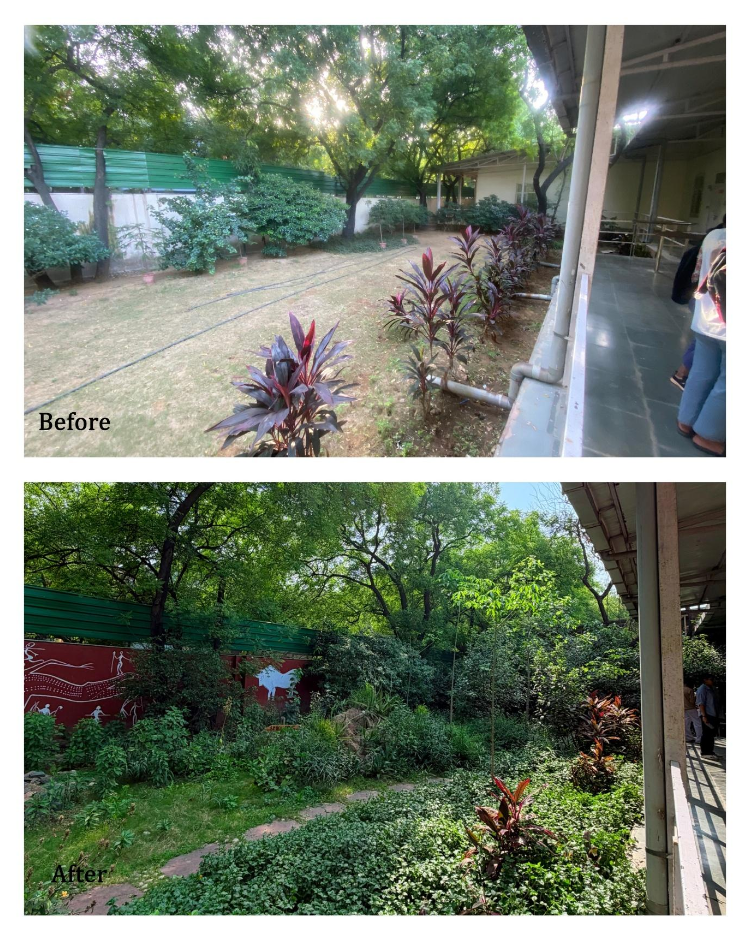
What makes Tapas truly extraordinary is the inspiring story behind its transformation. The area that now flourishes as a thriving ecosystem was once an ignored corner of the college campus, functioning primarily as a dumping site for horticultural waste. Through the relentless efforts, vision, and environmental commitment of students under the mentorship of Dr. Gaurav Barhodiya (Project in charge and Curator of TAPAS project), this neglected land was transformed into a vibrant ecological space. The journey of Tapas stands as a powerful example of how collective action, scientific understanding, and environmental sensitivity can revive degraded landscapes and create meaningful change.
Today, Tapas serves as a dynamic living laboratory where students engage directly with nature beyond the confines of classrooms. The ecosystem embodies several principles of ecological restoration that are often encountered only in textbooks—from habitat diversity and native floral plantations to species interactions and sustainable ecosystem development.Its existence brings ecological concepts to life, making learning immersive, practical, and deeply impactful.
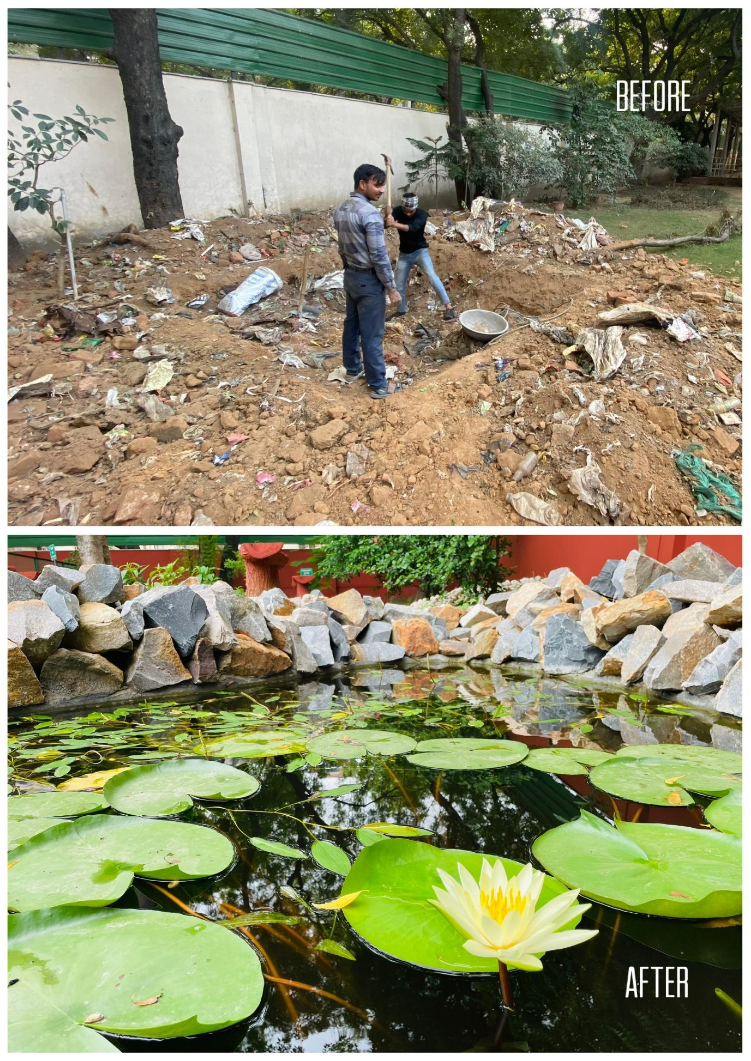
The ecological richness of Tapas is reflected in its diverse habitats and carefully developed micro-ecosystems. The space includes a Dragonfly Ponds, Succulent Conservatory, Butterfly Conservatory, and a dedicated Butterfly Incubator, each designed to support and nurture unique forms of biodiversity. Tapas is also home to numerous highly medicinal plant species, highlighting the importance of traditional botanical knowledge and plant conservation.
Its two ponds support vital bioindicators such as dragonflies and frogs, signifying the health and stability of the ecosystem. The succulent mound further contributes to habitat diversity by supporting a range of cosmopolitan species. Most notably, Tapas has emerged as a biodiversity hotspot within the campus, hosting numerous species of butterflies, dragonflies, reptiles, small mammals, and birds, including the rare migratory passerine, the Taiga Flycatcher—a remarkable indicator of the ecological value the site has attained.
The spirit of Tapas is also celebrated through Aranya Visayah, a special event dedicated to nature, ecological consciousness, and the philosophy that Tapas represents. Another significant addition to this initiative is “Samvarnam”, a newly inaugurated enclosure dedicated to rescued animals, further strengthening the institution’s commitment to compassion and conservation.
Adding to this vision, the upcoming Nature Interpretation Centre is being developed as a peaceful and intellectually enriching space where students will be able to sit, work, interact, and learn amidst nature. This initiative aims to deepen environmental engagement while fostering mindfulness, creativity, and well-being.
As an integral part of Ramanujan College, Tapas stands as a proud symbol of environmental stewardship and sustainable transformation. In the heart of a fast-paced metropolitan city like Delhi, it serves as a powerful reminder that harmony with nature is not only possible, but essential. Tapas is more than a green space—it is a legacy of restoration, resilience, innovation, and responsible coexistence with the natural world.